I was in my late 40’s when everything in my life seemed to come crashing down.
Years of chronic stress, trauma, overthinking, anxiety, food intolerances, disproportionate weight gain, and unexplained physical pain had finally caught up with me while I was still trying to function at a very high level professionally and personally.
Yet, I was finally beginning to get answers to questions that had followed me for most of my adult life. I was diagnosed with lipedema, a connective tissue disorder, at 47 and ADHD at 48. Then, a functional medicine doctor also suggested I have a mild form of Ehlers-Danlos Syndrome (EDS), another connective tissue disorder. Both lipedema and EDS are being increasingly associated with ADHD, autism, inflammation, chronic pain, nervous system dysregulation, food intolerances and other overlapping health conditions.
At the time, I had no idea all of these issues could be connected.
What I did know was that I had spent years trying incredibly hard to understand and manage symptoms that did not seem to have an explanation.
Regarding my weight, others suggested I needed more discipline, I knew that was not the full story. I cared deeply about my health and spent years researching, dieting, exercising, and trying to do everything right. After months of effort with little change in the areas affected by lipedema, my arms and legs, I would often become discouraged and give up for a while, sabotaging what little progress I had made. Not because I did not care, but because constantly fighting your body without understanding why it responds differently than expected can feel defeating.
Many women with lipedema who are trying to lose weight experience similar cycles. We are often overwhelmed, discouraged, inflamed, burned out, and trying to navigate bodies that may function differently than what conventional advice was designed for.
Those of us with lipedema who also deal with ADHD or autistic traits, often undiagnosed for years, are also experiencing chronic anxiety, emotional overwhelm, task paralysis, sensory overload, and a lifetime of misunderstanding our symptoms. Many neurodivergent women spend years putting enormous amounts of energy into trying to function in a society built largely for neurotypicals. The cumulative effects of multiple misunderstood symptoms become exhausting.
For years, hyperfocus, determination, and pushing through helped me function professionally despite what was happening internally. I spent 24 years working as a software developer, but it was not without struggle and periods of intense anxiety, burnout, overwhelm, and depression that often left me feeling like I was barely holding everything together.
Eventually, the hormonal shifts of perimenopause, and chronic stress pushed me over the edge. It all became too much. It felt like my brain could no longer do what it had done for decades.
When I was laid off of my job, for the first time in my life, I struggled to find employment in my field.
At first, it felt devastating. Later, I began to realize it was a blessing in disguise.
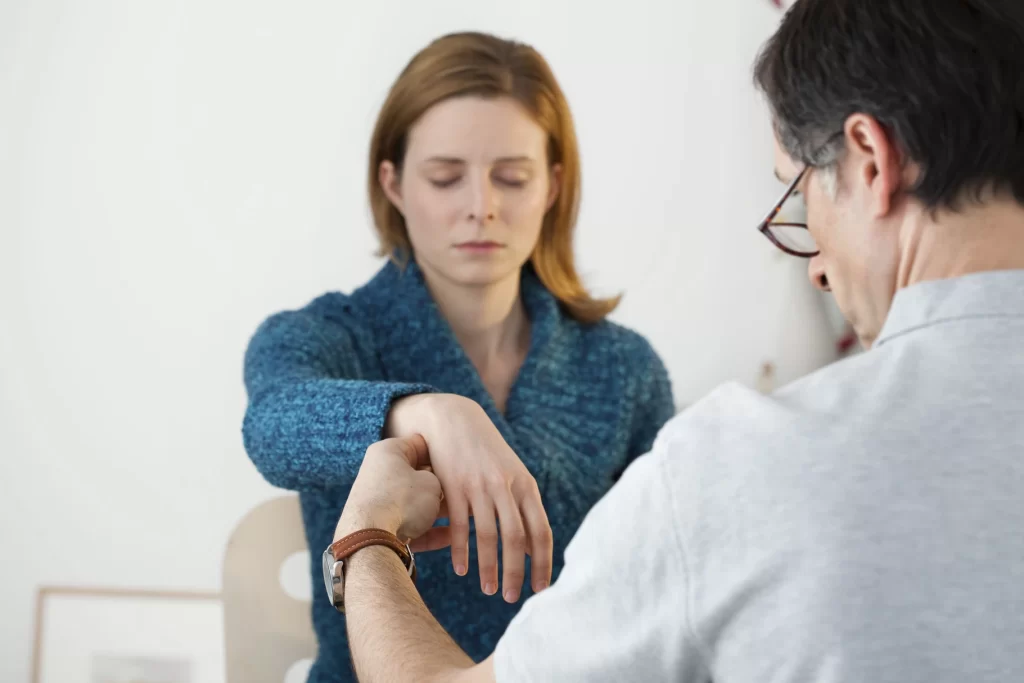
Around this time, I discovered hypnotherapy and began experiencing profound changes in my life. Hypnosis helped quiet the constant mental noise, reduce emotional spirals, and calm anxiety.
Eventually, I became a hypnotherapist myself and began helping others work through anxiety, fears, emotional eating, stress, chronic pain, confidence issues, and subconscious patterns that were keeping them stuck.
I also continued using hypnotherapy for deeper personal transformation. Through this work, I eliminated chronic back pain, developed a greater sense of self-trust, and connected more deeply with my inner guidance.
But I was still becoming frustrated as I personally hit plateaus in weight loss and body shape. Over the course of several years, I had been on an anti-inflammatory diet, restricting sugar, dairy, gluten, and alcohol most of the time. I had lost more than 40 pounds through significant effort and behavior change supported by hypnosis. My blood glucose levels improved. I became healthier in many ways. Yet despite all of this effort, my arms and legs remained disproportionately large and painful.
I could lose weight in other areas of my body, but not where the lipedema fat was concentrated.
And like many women with lipedema, I was often left feeling unseen.
Doctors kept telling me to eat less and exercise more. People assumed I was not trying hard enough. I internalized shame and frustration because my results did not match what weight loss was expected to look like.
For years, I told myself,
“At least I still have a flat stomach.”
Then perimenopause hit and like many women during this stage of life, I began gaining more weight around my stomach as well.
That shift was emotional for me, but it also forced me to rethink what health, progress, and realistic goals actually looked like for my body.
The most difficult realization has been that my arms and legs will likely never look “normal” according to societal standards.
There is grief in that.
Grief in knowing your body may never respond the same way other people’s bodies do.
Grief in years of failed diets, feeling misunderstood, and in realizing that no amount of hard work was ever going to fully change tissue that functions differently at a biological level.
Understanding lipedema more deeply did give me a certain level of relief. One of the most validating moments in my journey was discovering research confirming that lipedema is not simply obesity.
White (2020) explained that researchers at Stanford School of Medicine, including Dr. Stanley Rockson, identified a biomarker associated with lipedema that distinguishes it from ordinary obesity and connects it more closely to lymphatic diseases such as lymphedema. Dr. Rockson suggested that lymphatic dysfunction may impair the body’s ability to clear fluids from tissues, causing inflammation and abnormal fat accumulation. As he explained, “No amount of caloric restriction will make them smaller (White, 2020).” That statement alone may feel deeply emotional for many women who have spent years blaming themselves for not trying hard enough when their bodies could never respond to diet and exercise in a typical way.
In addition to new discoveries in lipedema research, scientists are increasingly exploring possible connections between lipedema and neurodivergence. Amato et al. (2023) found a higher rate of self-reported ADHD symptoms among individuals with lipedema, suggesting a potential correlation between the two conditions.
The authors also noted that ADHD treatment may improve lipedema treatment outcomes. While research is still evolving, many women are finally beginning to feel seen.
Understanding the relationships between our mental and physical health, particularly for those of us navigating both neurodivergence and connective tissue disorders such as lipedema, helps shift the conversation away from blame and toward more appropriate and compassionate strategies. Caring for our mental and emotional health matters deeply, and for many women with these overlapping conditions, the path forward needs to take a different approach than conventional advice suggests.
Today, my approach to health looks very different than it once did. I focus on reducing inflammation, calming my nervous system, building strength, and creating sustainable habits that work with my mind and body rather than against them.
Importantly, I have not lost hope. While lipedema fat is different from ordinary fat, many women with lipedema can still improve their health, reduce inflammation, build strength, lose non-lipedema fat, and improve mobility. And neurodivergent women can learn to work with the way their brain functions rather than constantly fighting against themselves.
Through both personal experience and professional practice, I understand how emotionally exhausting it can be to navigate the overlap between lipedema, neurodivergence, anxiety, chronic pain, and nervous system overwhelm. When working with women facing these challenges, I approach their goals with compassion and an understanding that both neurodivergence and connective tissue disorders can affect motivation, emotional regulation, consistency, stress levels, eating patterns, energy, and the way the body responds to conventional health and weight-loss approaches.
While many women with lipedema are still able to reduce inflammation, lose non-lipedema fat, build strength, improve mobility, and make meaningful progress toward their health goals, the path may look different than it does for others. Some women may also choose treatments such as lipedema reduction surgery or liposuction, and I support clients in whatever informed decisions feel right for their bodies and lives.
My role is to help clients work with their minds and bodies rather than against them while supporting emotional wellbeing, stress reduction, motivation, consistency, and healthier subconscious patterns. Through hypnosis, clients can begin shifting subconscious beliefs, emotional responses, and automatic patterns that may be keeping them stuck in cycles of overwhelm, anxiety, emotional eating, burnout, or self-criticism. I also use hypnosis approaches that support deep relaxation and the body’s natural healing processes.
If there is one thing I hope women take away from this article, it is that it is not your fault and you are not alone.
Understanding that these struggles may have underlying biological connections does not mean we are powerless. It means we may need more compassionate, individualized, and effective approaches to supporting both the mind and body.
About the Author
Aana Wilson is a Medical Support Clinical Hypnotherapist. Drawing from both personal experience and professional practice, she works with clients navigating neurodivergence, lipedema, chronic stress, anxious feelings, phobias, and nervous system overwhelm.
If this article resonated with you, you can join her newsletter for future articles, tools, and insights, or learn more about hypnotherapy for lipedema.
To discuss how hypnotherapy may be able to help you, schedule a free consultation call with Aana.
References
Amato, A. C., Amato, J. L., & Benitti, D. A. (2023). The association between lipedema and attention-deficit/hyperactivity disorder. Cureus, 15(2), e35570. https://doi.org/10.7759/cureus.35570
White, T. (2020, November 30). Biomarker for lipedema, other lymphatic diseases discovered. Stanford Medicine. https://med.stanford.edu/news/all-news/2020/11/biomarker-for-lipedema-discovered.html